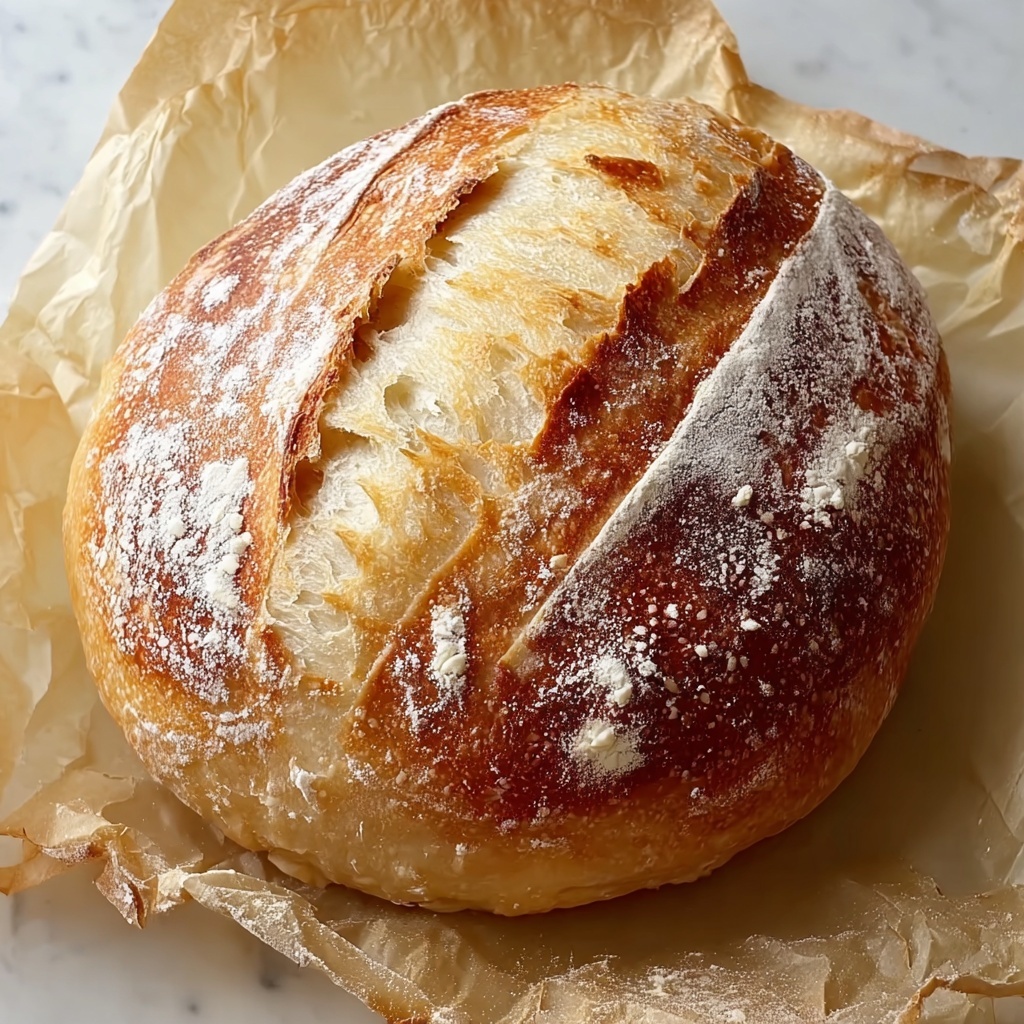
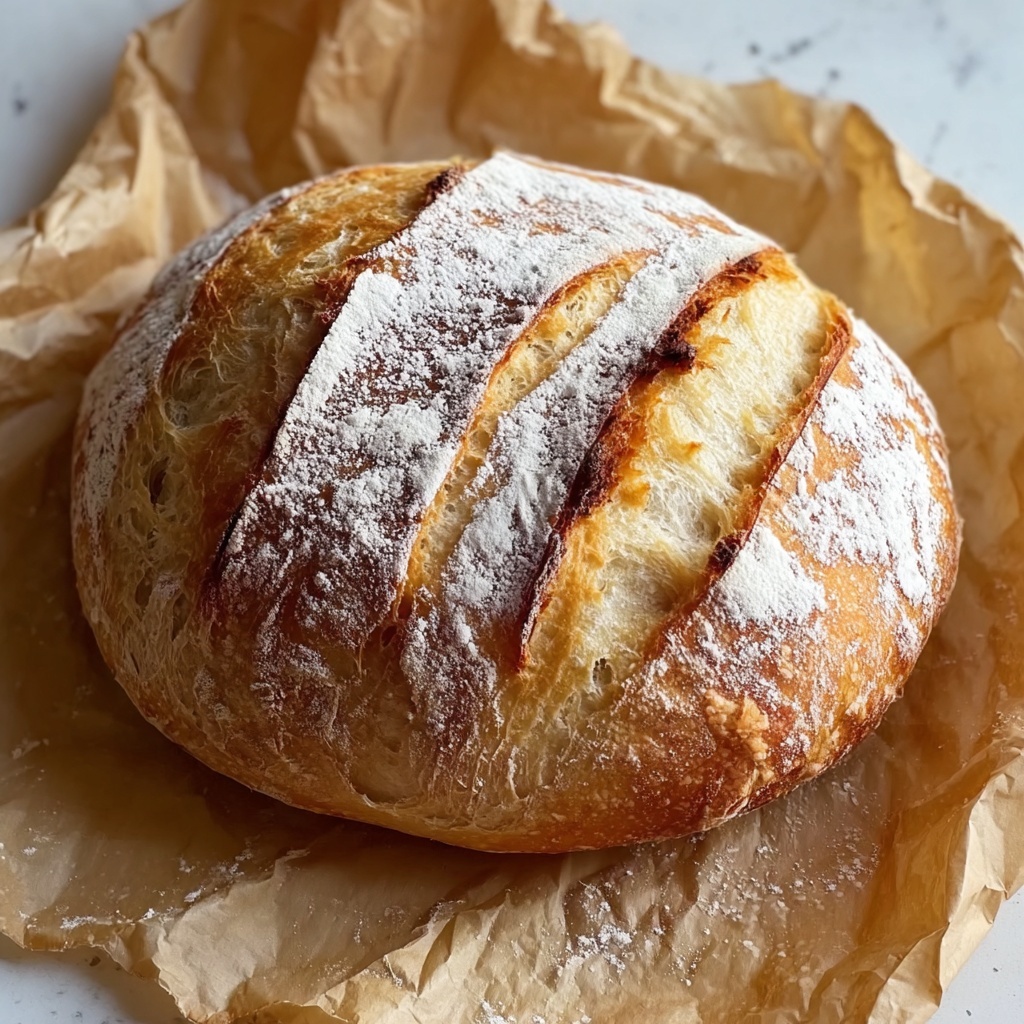
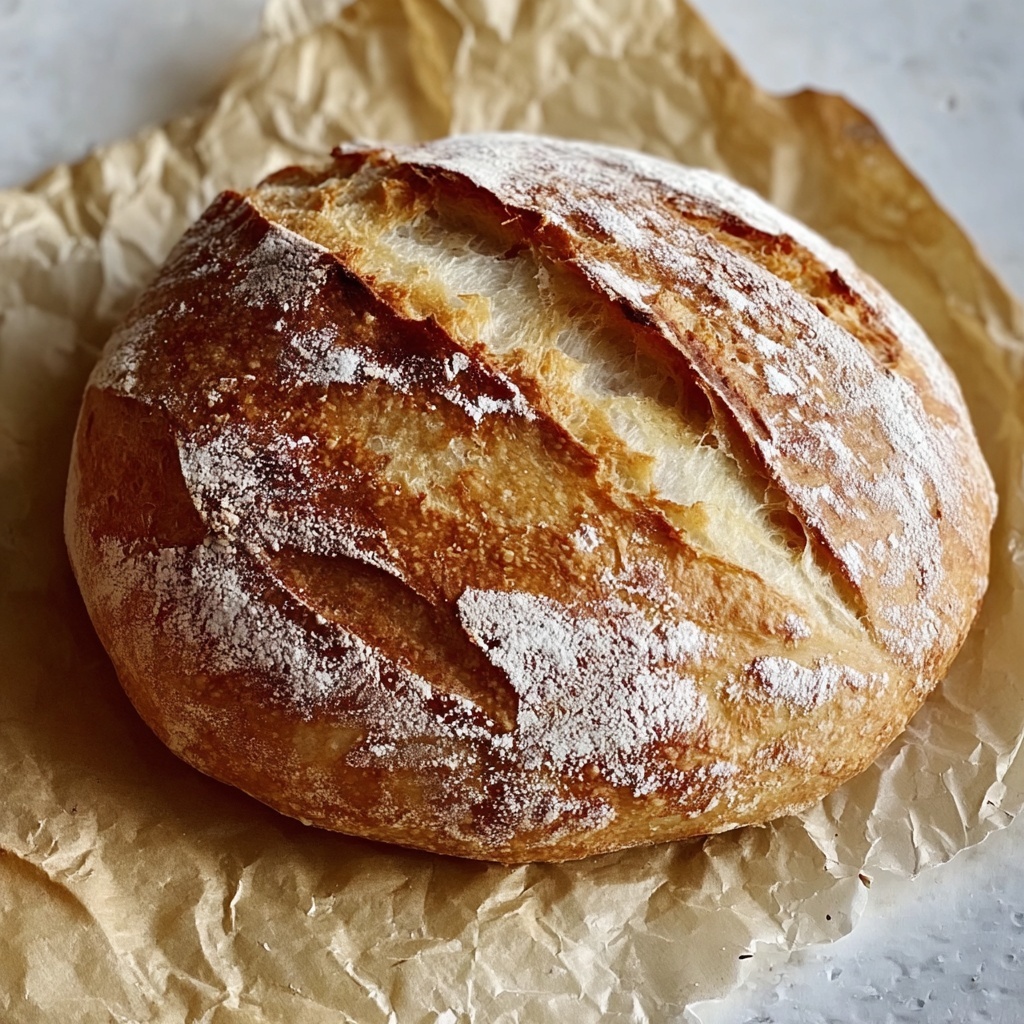
If you’ve ever dreamed of baking bread that’s both rustic and elegant, the Homemade Sourdough Batard Bread Recipe is your perfect match. This loaf offers a crisp, caramelized crust with an airy crumb that makes each bite a delightful experience. The journey involves simple ingredients and a little patience, but the reward is a flavorful, tangy bread that transforms any meal into an occasion. This recipe beautifully balances traditional sourdough techniques with modern shortcuts, ensuring your homemade batard is nothing short of spectacular.
Ingredients You’ll Need
Despite its artisanal appearance, this recipe calls for simple, pantry-staple ingredients that together create a bread with complex flavors and wonderful texture. Each component plays a key role, from developing the dough structure to adding subtle sweetness and enhancing crust color.
- Bread flour (unbleached, high-protein): Provides the essential gluten network for a chewy, well-risen loaf.
- Water (room temperature): Hydrates the flour perfectly, encouraging gluten development and fermentation.
- Fine sea salt: Adds depth of flavor and controls yeast activity to balance fermentation.
- Instant yeast: Helps kickstart the dough rise while complementing the natural sourdough fermentation.
- Diastatic malt powder: Enhances crust color and encourages a deeper fermentation flavor.
- Ascorbic acid powder: Strengthens gluten, improving dough elasticity and oven spring.
- Poolish ingredients (bread flour, water, instant yeast): This pre-ferment builds those signature sourdough bubbles and tangy notes.
How to Make Homemade Sourdough Batard Bread Recipe
Step 1: Prepare the Poolish
Begin by mixing 100 grams of bread flour with 100 grams of water and a touch of instant yeast in a bowl. Stir until smooth, cover, and leave it to rest at room temperature for 12 hours. You’ll recognize it’s ready when the surface bubbles and domes slightly—this fragrant pre-ferment adds complexity and lightness to the loaf.
Step 2: Autolyse the Dough
Next, whisk together 400 grams of bread flour and 250 grams of water until no dry flour remains. Cover and let this mixture rest for 30 minutes. This resting period aligns the gluten, setting the stage for a dough that’s both manageable and airy.
Step 3: Combine Ingredients
Sprinkle your salt, remaining yeast, diastatic malt powder, and ascorbic acid powder over the autolysed dough. Add the entire poolish and fold everything together until you have a consistent dough. This step infuses the dough with flavor and strength, leading to a beautifully textured batard.
Step 4: Bulk Fermentation with Stretch-and-Fold
During a 2-hour bulk fermentation at a cozy 75°F, perform four rounds of stretch-and-fold every 30 minutes. This technique gently builds gluten strength and traps air without heavy kneading, encouraging those lovely open crumb pockets we crave in sourdough.
Step 5: Cold Fermentation
Transfer your dough to a lightly oiled container, cover it, and refrigerate for 12 to 18 hours. This slow ferment not only develops deeper, more complex flavors but also adds flexibility to your baking schedule.
Step 6: Pre-Shaping
After your cold ferment, turn the dough onto a well-floured surface. Flatten it gently into a rectangle then fold the top third down and the bottom third up, rotate, and repeat. Let it rest seam side up for about 15 minutes, which relaxes the gluten for easier shaping.
Step 7: Final Shaping and Proofing
Lightly dust your surface and shape the dough into a batard by folding the sides in and rolling it into a 12-inch loaf. Place it on parchment, cover, and allow it to proof for 60 to 75 minutes at room temperature. Look for the poke test: a gentle indentation should slowly spring back to know it’s perfectly proofed.
Step 8: Baking Your Batard
Preheat your oven to 475°F with a baking stone or steel and a steam pan inside for at least 45 minutes. Transfer your loaf (with parchment) onto the hot stone, score a long slash down the center with a lame, and quickly pour hot water into the steam pan to create a humid environment. Bake for 15 minutes, then reduce the temperature to 440°F and bake for another 15 minutes. Remove the steam pan and continue baking until the crust reaches a deep golden brown.
Step 9: Cooling
Carefully remove the bread using the parchment and cool it on a wire rack for about 2 hours. This wait might be the hardest part since the aroma alone is irresistible, but it ensures your crumb sets perfectly for slicing.
How to Serve Homemade Sourdough Batard Bread Recipe
Garnishes
This bread stands out spectacularly on its own, but a light slather of quality butter or a drizzle of extra virgin olive oil with flaky sea salt makes each bite feel indulgent and fresh. For a savory twist, try spreading herb-infused cream cheese or topping with garlic and herb butter after toasting slices.
Side Dishes
The beauty of this sourdough batard is how it complements so many dishes. Pair it with a hearty soup like tomato bisque, a crisp salad, or your favorite cheese board. Its chewy crumb and crispy crust make it excellent for mopping up sauces or serving alongside charcuterie.
Creative Ways to Present
For a fun presentation, slice your batard thick and make rustic sandwiches filled with roasted vegetables or grilled meats. Alternatively, cube leftover bread and toast it into homemade croutons to add crunch to salads or stews. The possibilities are endless and each serving will be warmly welcomed!
Make Ahead and Storage
Storing Leftovers
Once fully cooled, wrap your sourdough batard in a clean kitchen towel or place it in a paper bag to preserve its crusty exterior while keeping the crumb soft. Stored at room temperature, it will stay fresh for 2 to 3 days.
Freezing
If you want to save your homemade bread for longer, slice it before freezing in an airtight bag. This way, you can pull out just the number of slices you need, avoiding waste and keeping the flavor intact for up to 3 months.
Reheating
To bring back that freshly baked crispness, toast slices directly or warm the whole loaf in a 350°F oven wrapped in foil for 10-15 minutes. A few minutes without foil at the end can revive the crust’s wonderful crunch.
FAQs
Can I make this bread without the diastatic malt powder?
Absolutely! While the diastatic malt powder helps with crust color and fermentation, you can omit it and still achieve a delicious loaf. The crust might be slightly lighter in color but the flavor and texture remain delightful.
Why do I need instant yeast if sourdough is natural yeast?
This recipe uses a small amount of instant yeast to speed up fermentation and provide consistency, making it more beginner-friendly while still preserving the sourdough flavors from the poolish.
What is the purpose of the ascorbic acid powder?
Ascorbic acid strengthens gluten in the dough, enhancing its elasticity and improving rise and oven spring. It’s an optional ingredient but can noticeably improve your loaf’s structure.
How do I know when my bread is properly proofed?
The poke test is your best friend: gently press the dough with a finger; if it springs back slowly and leaves a slight indentation, it’s ready to bake. If it springs back quickly, let it proof longer.
Can I bake this bread without a baking stone or steel?
You can, although a baking stone or steel helps create a hotter, more even surface for better oven spring and crust. If you don’t have one, bake on a heavy-duty baking sheet and consider adding a pan of hot water for steam.
Final Thoughts
Baking the Homemade Sourdough Batard Bread Recipe is like inviting a warm, comforting tradition into your kitchen. It requires some patience but rewards you with a loaf that tastes like a baker’s craft and love. Once you experience the crackling crust and tender crumb fresh from your oven, you’ll find yourself eagerly planning the next bake. Give this recipe a try—you’ll be amazed at what you can create with simple ingredients and a little care.
Print
Homemade Sourdough Batard Bread Recipe
- Prep Time: 12h 45m
- Cook Time: 30m
- Total Time: 12h 75m
- Yield: 1 loaf (about 800-900 g)
- Category: Bread
- Method: Baking
- Cuisine: French-inspired Artisan
Description
This Homemade Sourdough Batard Bread recipe guides you through the process of creating a rustic, crusty loaf with a tender crumb using a combination of poolish, autolyse, and long fermentation techniques. The bread develops complex flavors and an artisan texture thanks to the slow cold fermentation and skillful folding, finished by baking on a hot stone with steam to achieve the perfect crust.
Ingredients
Main Dough
- 500 g bread flour (unbleached, high-protein flour like King Arthur)
- 350 g water (room temperature)
- 10 g salt (fine sea salt)
- 2.5 g instant yeast
- 5 g diastatic malt powder
- 0.5 g ascorbic acid powder
Poolish (Preferment)
- 100 g bread flour
- 100 g water
- 0.5 g instant yeast
Instructions
- Prepare the Poolish: In a bowl, mix 100 g bread flour, 100 g water, and 0.5 g instant yeast until smooth. Cover and let rest at room temperature for 12 hours until bubbly and slightly domed.
- Autolyse the Dough: In a large bowl, whisk together 400 g bread flour with 250 g water until no dry flour remains. Cover and let rest for 30 minutes to develop gluten.
- Mix Main Dough: Sprinkle 10 g salt, 2 g instant yeast, 5 g diastatic malt powder, and 0.5 g ascorbic acid powder over the autolysed dough. Add the poolish and fold everything together until uniform dough forms.
- Bulk Fermentation with Stretch and Folds: Set dough at 75°F and every 30 minutes for 2 hours, perform four stretch-and-folds—stretch one side of dough, fold over, rotate bowl 90°, repeat for all sides to strengthen dough and create air pockets.
- Cold Fermentation: Transfer dough to a lightly oiled container, cover, and refrigerate for 12 to 18 hours to deepen flavor.
- Pre-shape and Rest: Turn dough onto floured surface, gently flatten into a rectangle, fold top third down and bottom third up, rotate 90°, repeat folds, then let rest seam side up for 15 minutes.
- Shape the Batard: Dust surface with flour, flatten dough to 10×8-inch rectangle, fold sides toward center sealing seams, turn seam side down, roll into 12-inch long batard. Place on parchment, cover, and proof at 70-75°F for 60-75 minutes until dough passes poke test.
- Prepare Oven and Bake: Preheat oven to 475°F with baking stone or steel on middle rack and steam pan on floor for 45 minutes. Transfer loaf on parchment to stone, score a 6-inch slash down center with a lame, pour 1 cup hot water into steam pan and close oven. Bake 15 minutes, reduce temperature to 440°F, bake additional 15 minutes, remove steam pan, continue baking until deep golden brown crust forms.
- Cool: Remove loaf using parchment and place on cooling rack. Cool completely for about 2 hours before slicing to set crumb.
Notes
- The poolish preferment boosts flavor and improves crust texture.
- Use a kitchen thermometer to maintain dough temperature around 75°F during fermentation.
- Stretch and folds replace kneading and develop gluten gently.
- Cold fermentation enhances sourdough flavor and allows flexible baking timing.
- Using a baking stone and steam pan replicates a professional bakery environment for optimal crust.
- Allowing bread to cool completely before slicing prevents gummy crumb texture.
- Diastatic malt powder helps with crust color and fermentation.
- Ascorbic acid acts as a dough conditioner for better rise and structure.